Introduction
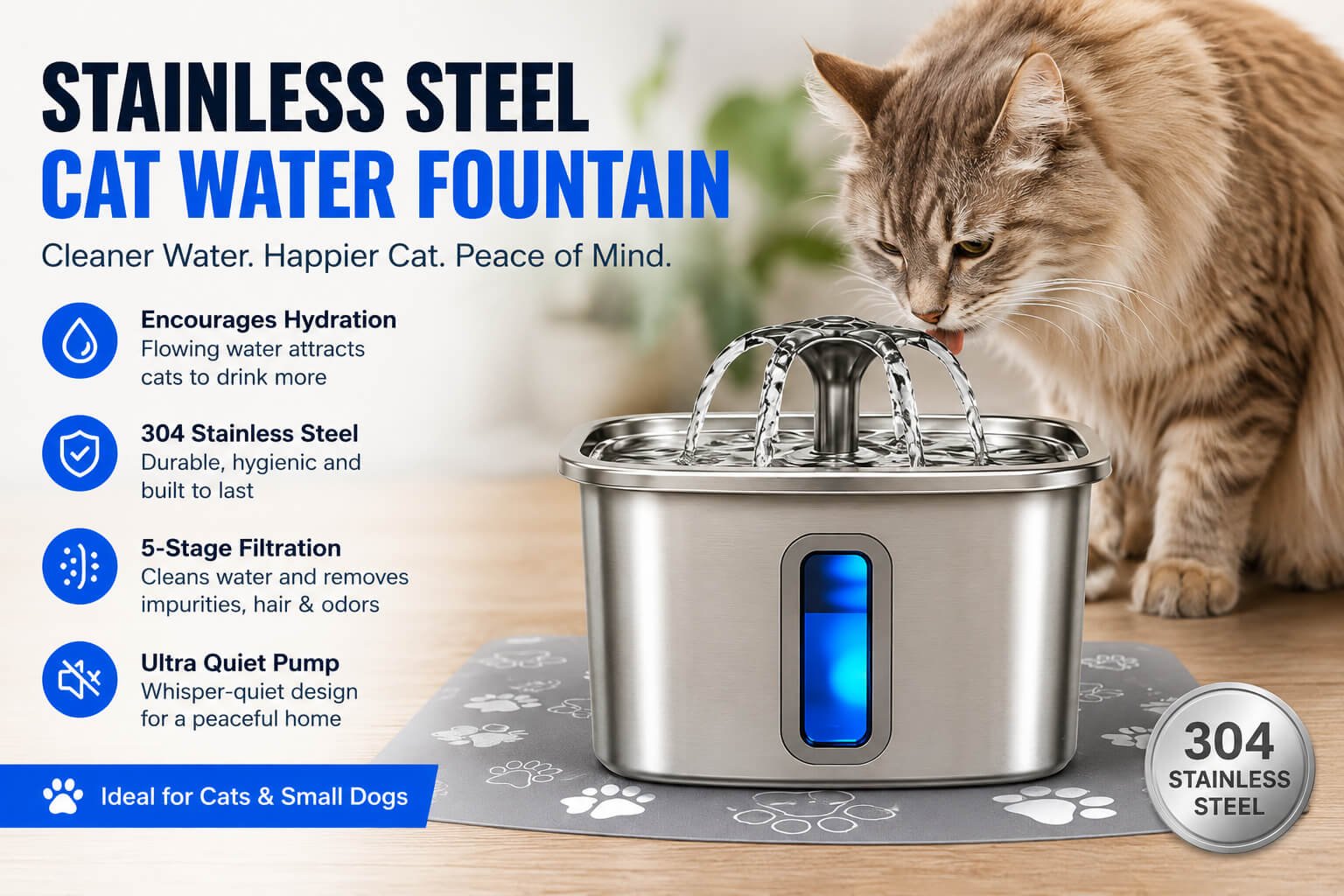
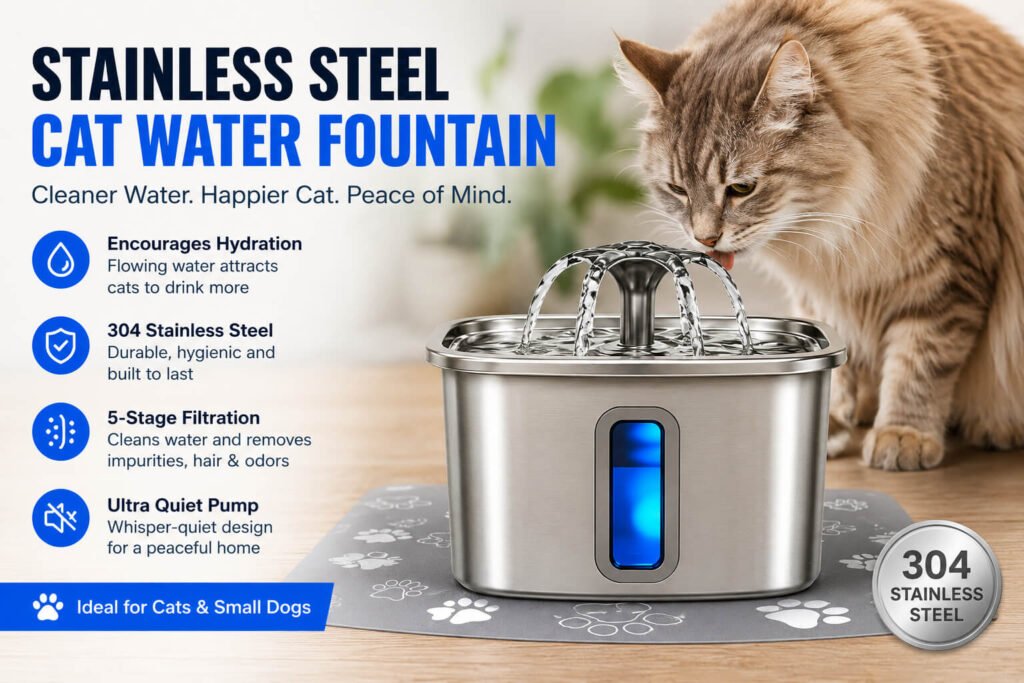
Many cat owners do not realize that dehydration can become a common problem, especially for cats that naturally drink small amounts of water. A stainless steel cat water fountain can be a must-have solution because it keeps water flowing, cleaner, and more appealing compared to a regular bowl.
Unlike traditional plastic bowls, stainless steel models are designed for better hygiene and durability. Many highly rated options also include advanced filtration systems that help reduce hair, dust, and small particles from the water. This makes daily drinking more attractive for cats while giving owners an easier maintenance experience.
When you compare different products, it is important to look beyond appearance alone. Features such as filtration quality, water capacity, noise level, and long-term value can significantly affect your buying decision.
In this guide, you will discover the most important benefits, key facts, and buying considerations to help you make a smarter decision before you buy the right option for your pet.
Quick Answer
A stainless steel cat water fountain is often a better choice than a traditional water bowl because it combines cleaner materials, moving water, and better filtration in one system. Cats are naturally attracted to running water, which can encourage them to drink more throughout the day and support healthier hydration habits.
Compared with plastic alternatives, stainless steel models are generally more durable and easier to maintain. They are less likely to hold odors, scratches, or bacteria over time. Many highly rated models also include replaceable filters and quiet pumps, making them practical for everyday use.
Quick benefits:
• Better hygiene – easier to clean than many plastic options
• Flowing water – encourages more drinking
• Long-lasting design – built for daily use
• Easy to use – simple setup and maintenance
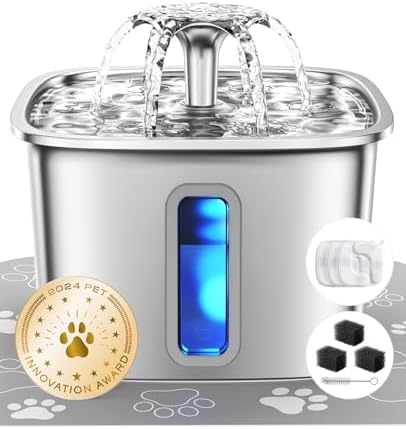
- Premium 304 Stainless Steel & Easy Maintenance. Crafted from high-quality 304 stainless steel, this pet fountain offers …
- Quick Snap-Together Assembly & Large Water Window. Set up in minutes with the intuitive four-step, snap-together design….
- Ultra-Quiet Suspended Pump Design. The advanced suspended pump operates at a whisper-quiet 25 dB, ensuring peaceful oper…
- Multi-Stage Filtration for Cleaner Water. The high-efficiency filter captures hair, food debris, and impurities while he…
- Leak-Proof Structure for Peace of Mind. Built with robust materials and a fully sealed construction, this fountain is re…
If you want a cleaner and more reliable option for your pet, a stainless steel fountain can be a smart long-term investment. Check price and compare key features before choosing the right model for your home.
Pros and Cons
A stainless steel cat water fountain offers several advantages over traditional bowls and many plastic alternatives, but understanding both sides can help you make a smarter buying decision. The best products solve hydration and hygiene problems, but not every model is built the same.
Pros
• Better hygiene – stainless steel surfaces are easier to clean and less likely to trap odors or bacteria
• Durable design – built for long-term daily use
• Easy to use – many models have simple setup and filter replacement
• Encourages hydration – flowing water often attracts cats more than still water
• Quiet operation – many highly rated models use low-noise pumps
Cons
• Filters require replacement over time, creating a small ongoing cost
• Some pumps may become noisy if cleaning is ignored
• Premium models can cost more than standard bowls or plastic fountains
Key Facts
A stainless steel cat water fountain may look like a simple pet accessory, but a few important details can make a big difference in daily use and long-term value. Choosing the right model is not only about appearance or price. Small features often affect performance more than most buyers expect.
Key facts to consider before making a decision: You may also like Best Automatic Cat Feeders.


Water capacity – larger tanks are better for multiple pets and require fewer refills
Filter quality – good filtration helps remove hair, dust, and small particles
Durable material – stainless steel is more resistant to scratches and odors
Pump design – quiet pumps create a better experience at home
Easy cleaning – removable parts save time and simplify maintenance
Some top models also include multiple water flow settings that match different pet preferences. This can be useful if your cat is hesitant around new drinking systems.
Top Features
A stainless steel cat water fountain becomes a much better investment when it includes features that improve convenience, hygiene, and everyday use. While many products may look similar at first glance, the right features can make a noticeable difference for both pets and owners.
Top features to look for:
• Advanced filtration – helps remove dust, pet hair, and small particles for cleaner water
• Durable material – stainless steel resists scratches and odors better than many plastic alternatives
• Easy to clean – removable parts save time and simplify maintenance
• Quiet pump – reduces unwanted noise during daily use
• Large capacity – requires fewer refills and works well for multiple pets
Some highly rated models also include adjustable water flow settings. This allows owners to choose a gentler stream or stronger movement depending on what their cat prefers.
Small details often create the biggest difference in long-term satisfaction. Before you Check price, compare features carefully because a model with better filtration and easier maintenance can provide more value over time.
FAQ
A stainless steel cat water fountain often raises common questions among buyers, especially for first-time pet owners. Understanding these details can remove uncertainty and help you make a more confident decision.
Q: Is a stainless steel cat water fountain better than plastic?
Yes, many owners prefer stainless steel because it is more durable, easier to clean, and less likely to hold odors or scratches over time.
Q: How often should filters be replaced?
Most filters should be changed every 2–4 weeks, depending on water quality, the number of pets, and manufacturer recommendations.
Q: Are cat fountains difficult to clean?
Most modern models are designed to be easy to use with removable parts for simple cleaning and maintenance.
Q: Is a water fountain worth buying for one cat?
Even for a single pet, flowing water can encourage better hydration and provide cleaner drinking water.
Maintenance
A stainless steel cat water fountain can provide cleaner water and long-term value, but regular maintenance plays a major role in performance. Even the most highly rated model can lose efficiency if filters, pumps, and water containers are not cleaned on a consistent schedule.
Simple maintenance habits can improve water quality and extend the life of the fountain:
• Easy cleaning – wash the water tray and removable parts every few days
• Filter replacement – replace filters based on manufacturer recommendations
• Pump care – remove hair and small debris that may collect around the pump
• Fresh water – refill with clean water regularly
Ignoring maintenance can create unwanted odors, reduce water flow, and increase pump noise over time. This is one reason why many owners think a product has a problem when the issue is actually cleaning frequency. Learn more about pet hydration and daily care recommendations at PetMD
Good maintenance is not difficult, but it directly affects daily performance and reliability. Before you Check price, compare models with removable parts and easier cleaning systems for a better long-term experience.

Final Verdict
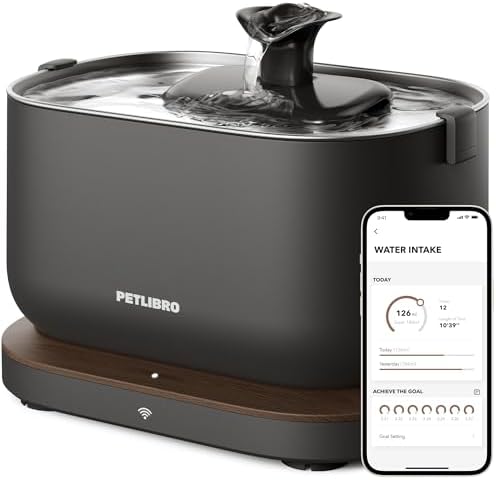
A stainless steel cat water fountain is more than a simple pet accessory. It can be a must-have upgrade for owners who want cleaner water, easier maintenance, and a better hydration experience for their pets. While traditional bowls may work, they usually cannot provide the same filtration, water movement, or long-term convenience.
The biggest advantages become clear in everyday use. Stainless steel models are generally more durable, easier to clean, and often designed with better filtration systems. For homes with multiple pets or owners who want a lower-maintenance setup, these features can create noticeable value over time.
However, buying the right model matters more than simply choosing the cheapest option. Filter quality, pump performance, cleaning requirements, and water capacity can affect your overall experience.
If you want a practical long-term solution that balances hygiene, convenience, and performance, a stainless steel fountain can be a smart investment. Before you Check price, compare features and choose a model that matches your pet’s needs and your daily routine.
Conclusion
A stainless steel cat water fountain can be a must-have choice for owners who want a cleaner, safer, and more convenient way to support their pet’s hydration. Small improvements in water quality and daily drinking habits can make a noticeable difference over time, especially for cats that naturally drink less water.
The right fountain is not only about appearance or price. Features such as filtration quality, water capacity, pump performance, and cleaning requirements all play an important role in long-term satisfaction. A slightly higher upfront cost can often provide better reliability and fewer maintenance issues later.
The biggest benefits are easy to see:
• Better hygiene – cleaner drinking experience
• Durable design – built for long-term use
• Easy to use – simple maintenance and setup
• Improved hydration – encourages more drinking
If you are ready to upgrade your pet’s daily routine, now is a good time to compare available options. Before you Check price, choose a model that matches your home, your pet’s needs, and your long-term expectations.